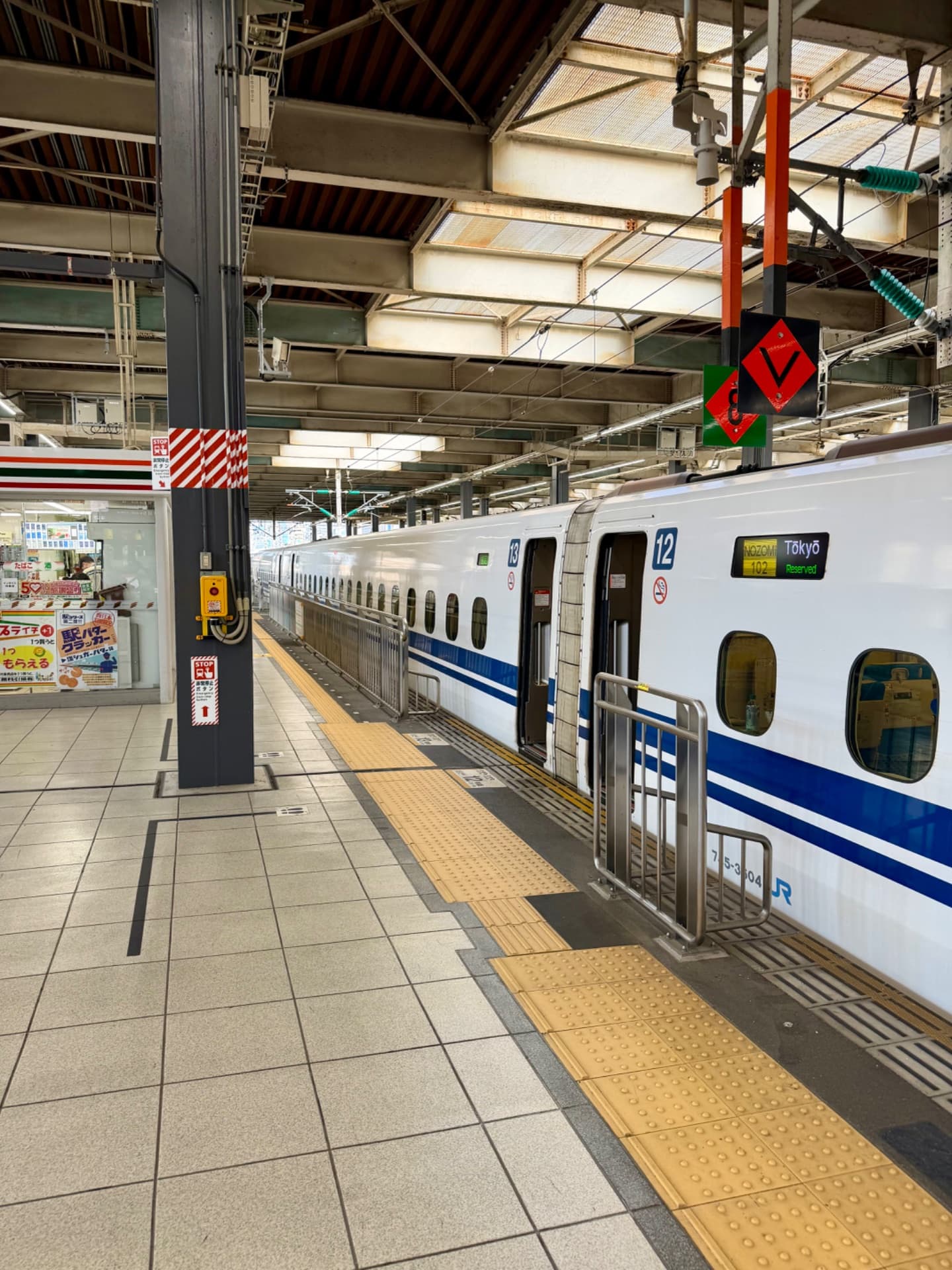
Being from Atlanta, we are not accustomed to excellent public transportation. Our public transportation is relatively limited making it challenging to get to places outside of the big city, and even inside the city isn’t always easy. You certainly can’t easily get from one city to another in the United States. When we started using the public transportation in Japan, we were amazed with how reliable, useful and economical it is.
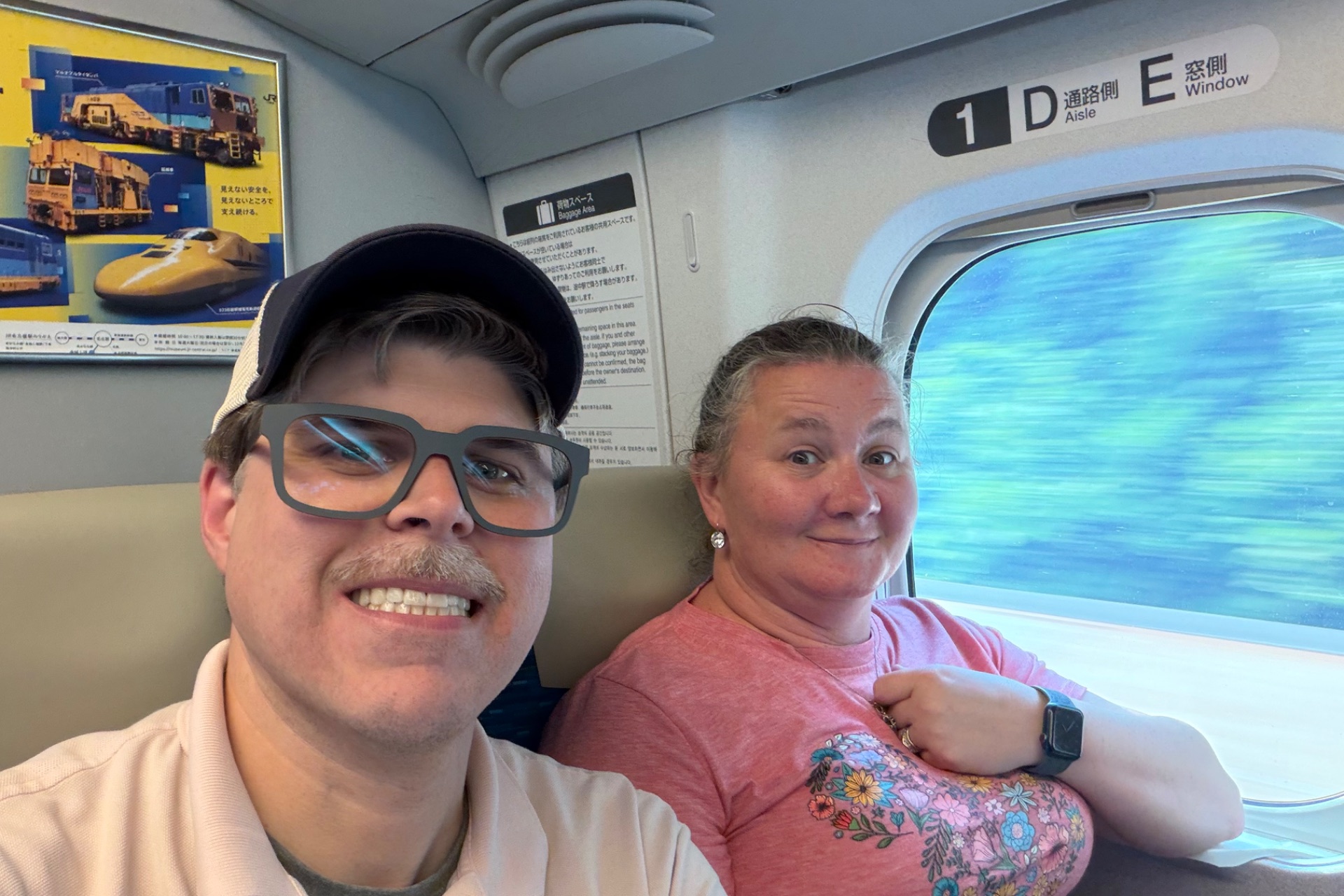
As we used public transportation more and more, we begin to think about what it would be like if the United States had a system similar to Japan’s. Here is a quick comparison: If I wanted to go to Charlotte from Atlanta, which is 258 miles, I could take an 5.5 hour Amtrak train, which leaves once a day and costs on average $70. In Japan, I could take the Shinkansen from Hiroshima to Osaka, which is 190 miles, and get there is 1.5 hours. This train leaves multiple times per hour and also costs roughly $70 per ticket. While the ticket price is roughly the same, the train would get you to your destination in a quarter of the time, you could choose from multiple times an hour versus once a day and the experience is much more reliable. If spending $70 on a train ticket in Japan is not in your budget, you can pay half of that on a conventional JR(Japan Rapid) train, which will take you closer to 5.5 hours. Or, you could even ride on a bus, which costs even less. The in town transportation works even more smoothly. You definitely have more options in Japan and everything runs so smoothly that many people choose to take advantage of it over driving themselves.
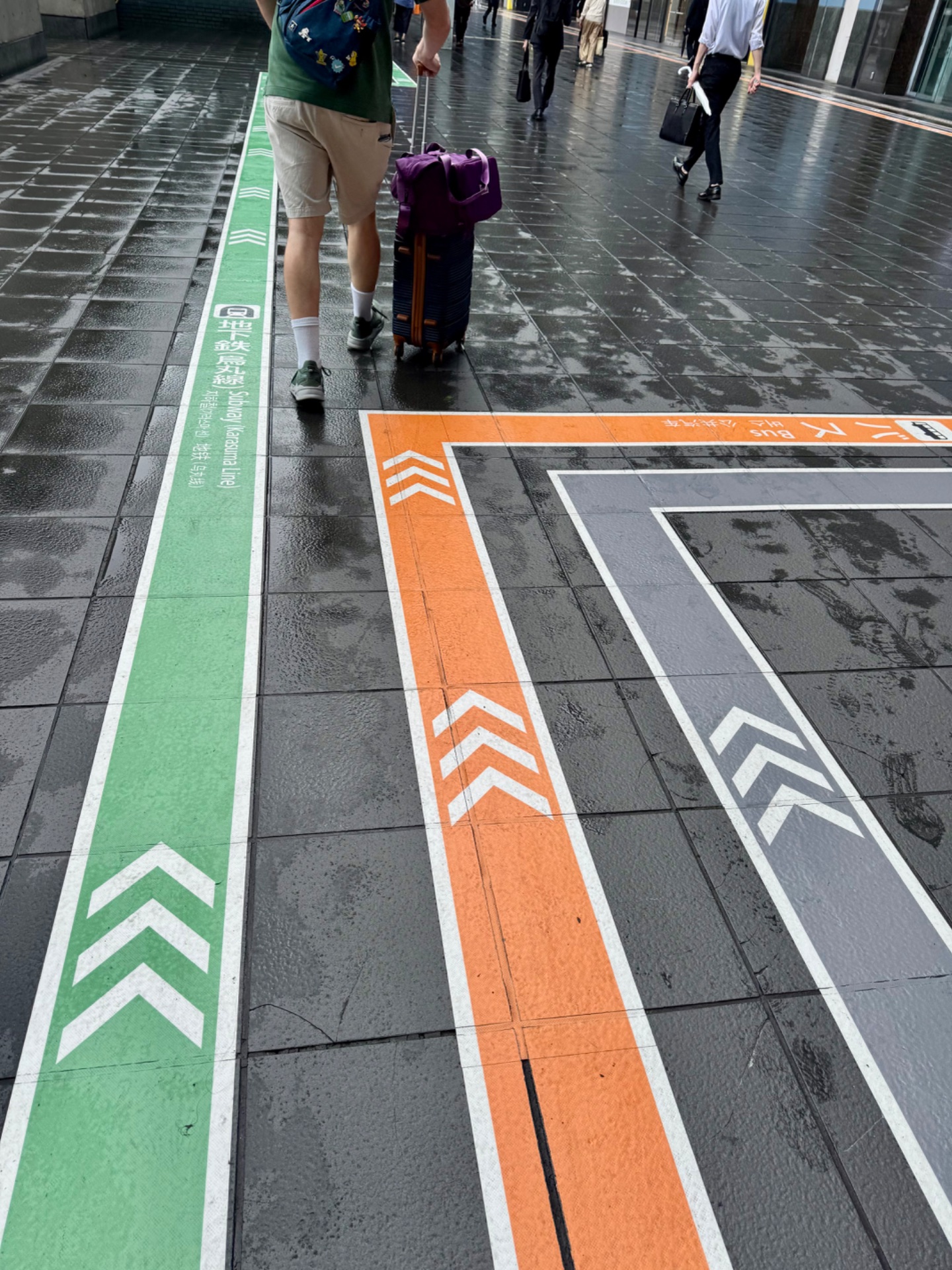
Because public transportation is so extensive in Japan, it can be intimidating to first time users. We found that while the stations can be confusing at first, that everything is well marked (usually in English) and often there are arrows on the ground to show you where to go. We used Apple Maps and Google Maps to help us know not only which train or bus we should take and where to find it but also it told us how much each leg of the trip would cost. This was important because we had added the Suica card to our Apple wallets and paired a credit card to it then we could go ahead and load how much money we would need for each day’s travel. The Suica card became very handy and could be used on nearly every form of transportation that we came across and could even be used in some stores, all you had to do was tap your phone.
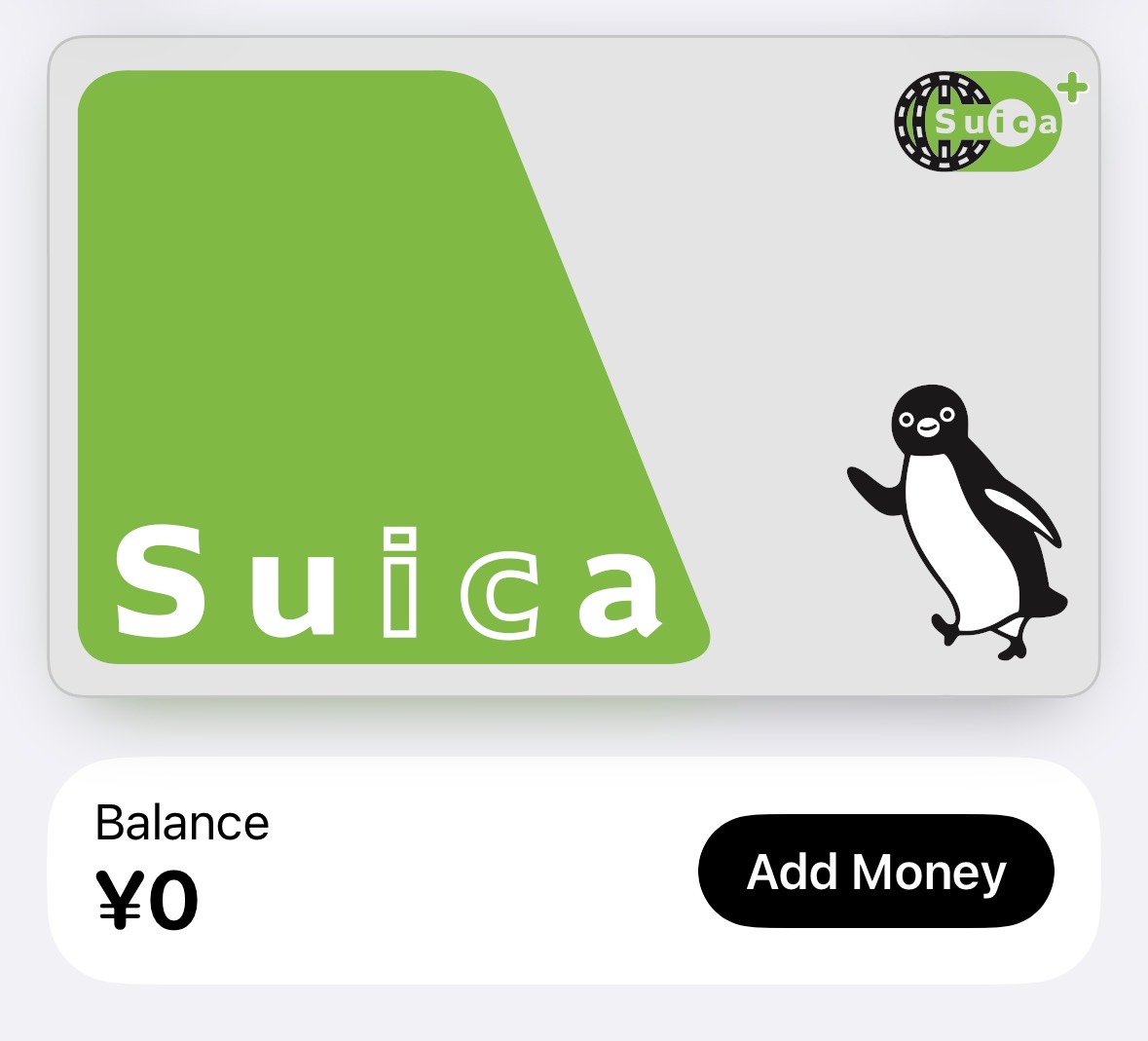
Instructions for Adding a Suica Card to Your Apple Wallet:
Open the Wallet app.
Tap the + (Add) button.
Select Transit Card.
Select Suica.
Tap Continue.
Choose the amount of money you want to put on the card.
Confirm the purchase using Apple Pay.
Your Suica will appear in Apple Wallet.
Now, you are ready to use your phone to tap in and tap out at each station and most busses. You just tap the tip of your phone and you get in and tap your phone to exit the station. It might be helpful to carry a portable battery for your phone to ensure that it stays charged.
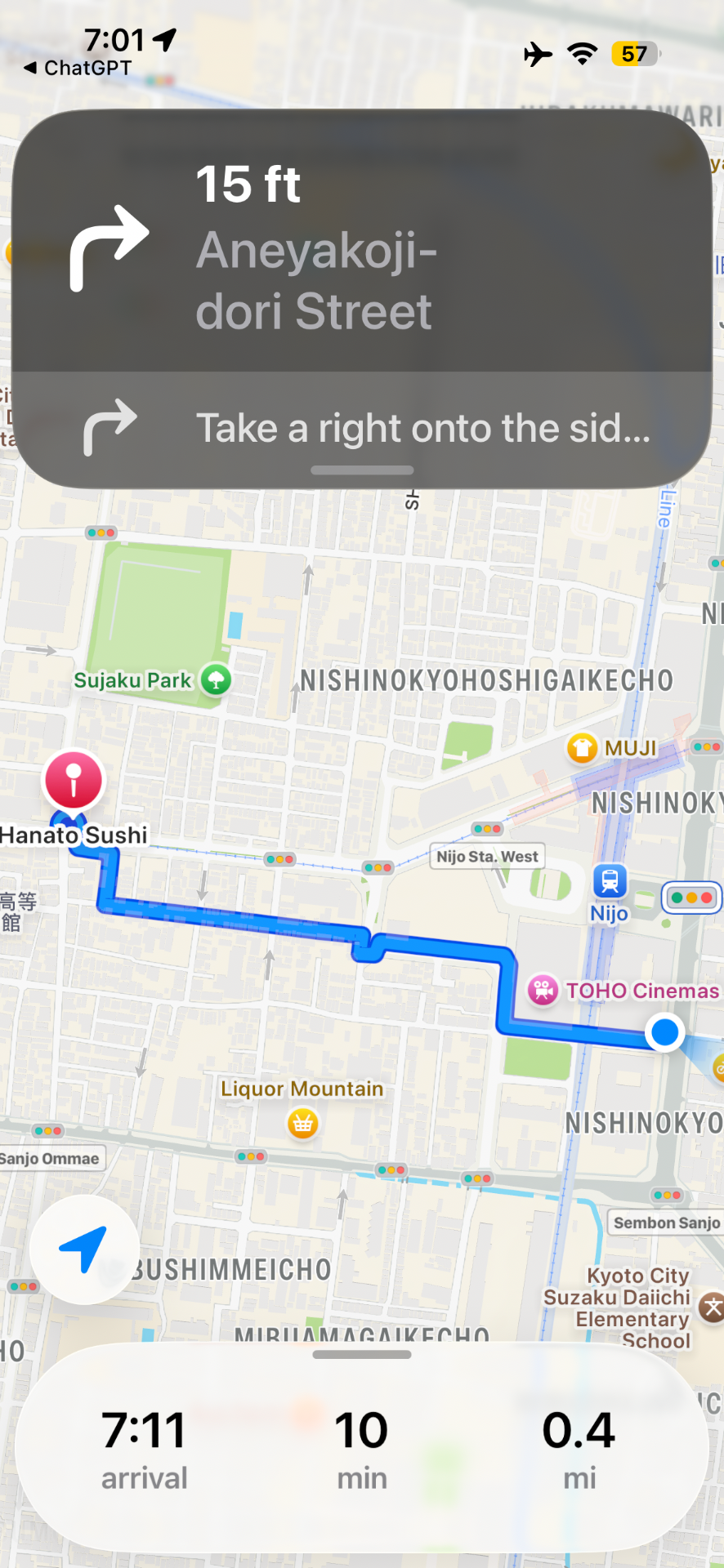
Using Apple Maps or Google Maps to Help You Plan Your Travel:
Google Maps or Apple Maps, whichever you use more often and are more comfortable with, can be so helpful in figuring out your literal next move while in Japan. You can tell it where you want to go and Google Maps can tell you 1)how to get to what station by foot 2)which train (subway, JR train, Shinkansen) to take and platform to go to, 3)the departure and arrival time of the train, 4)the number of stops and transfers you may need to take, and 5)how much the transportation will cost so you know what to add to your Suica card.
Be sure to add in extra time. We found that getting to the right platform or to find your way around often takes more time then Google realizes. Fortunately, if you miss a train, Google Maps can update the information with the next available train.
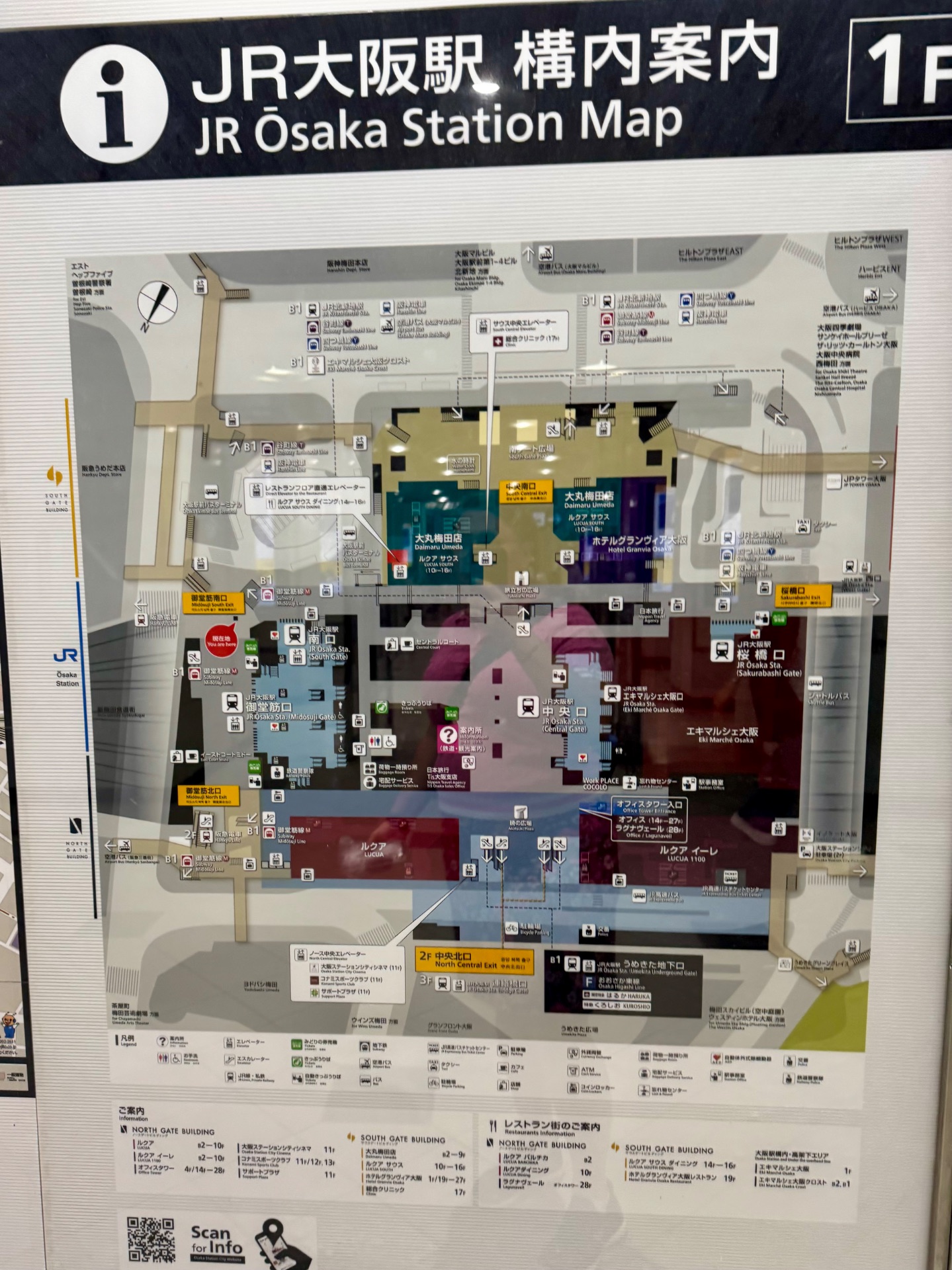
Double Check Everything: For trains, make sure that it is going in the correct direction and that you are standing in the correct area while you wait. Some cars are only for women and some are only for people with reserved seats.
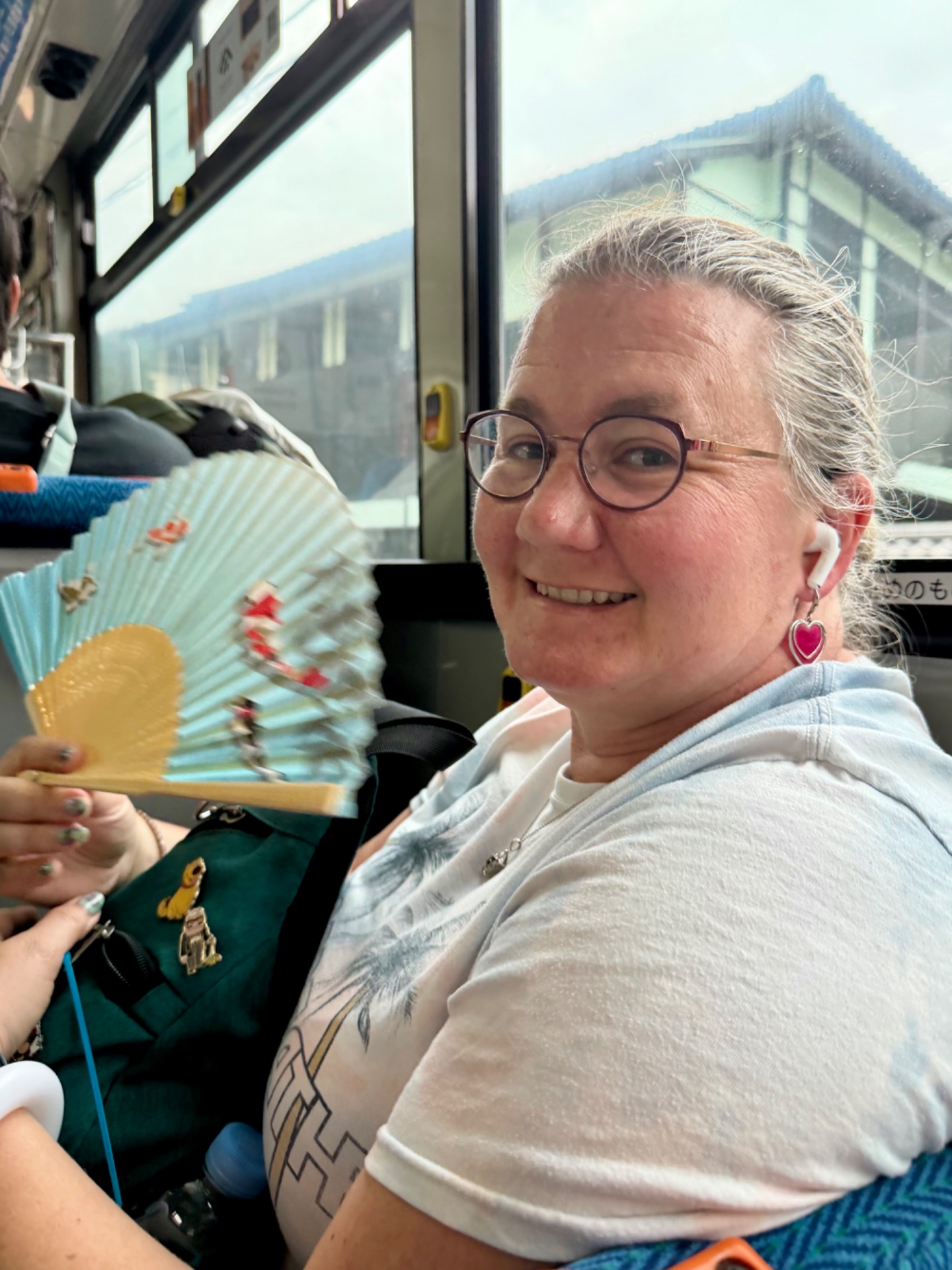
Busses Are Great But Work Differently from Trains: For a bus, make sure you have the correct bus number, that it is going in the correct direction, what stop you are getting off at and make sure that they accept your Suica card as payment as opposed to Japanese Yen (most do). With Busses, you often get on (tap in) at the back and get off (tap out or pay) in the front. Check for signs on the bus to let you know procedure.
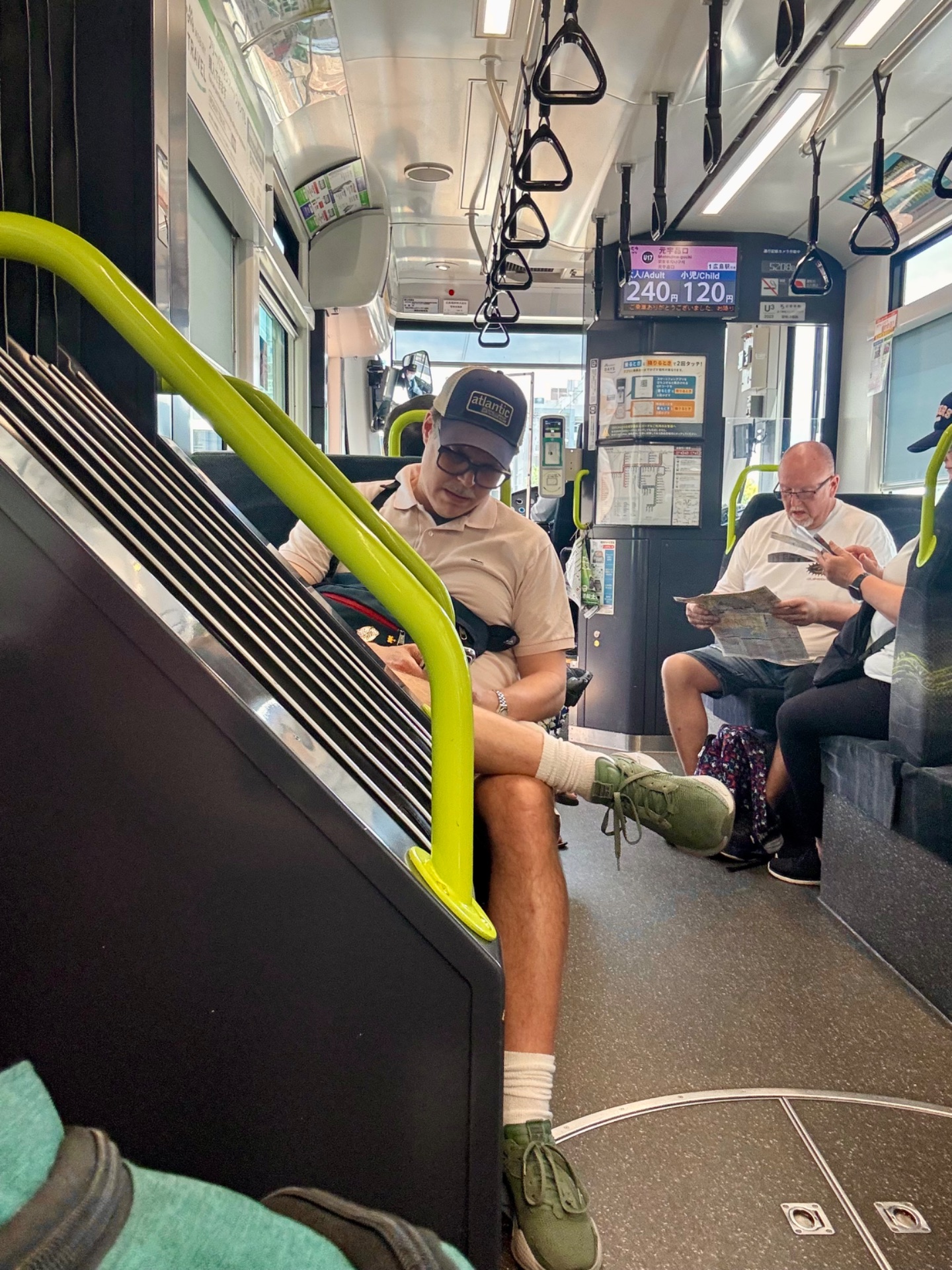
Etiquette for Public Transportation:
Keep your voice down- Japan is an incredibly quiet place in public.
Don’t take phone calls- Many people have headphones and are watching videos on their phones but no one takes phone calls while riding.
Don’t block the doors- There are plenty of handles for people who need to stand so you won’t be in the way.
Let passengers exit before boarding- This is true everywhere you go but often needs reminding.
Stand to the side while waiting- You will even see arrows showing you where to line up for getting on transportation.
Follow signs regarding priority seating- Signs will show reserved seating or for people with special needs- see below.
Allow the elderly, handicapped, pregnant women and children priority seating.
Don’t eat on ordinary commuter trains- On the longer trains such as the Japan Rapid trains or the Shinkansen, you will see people eating and drinking but not on the local subways.
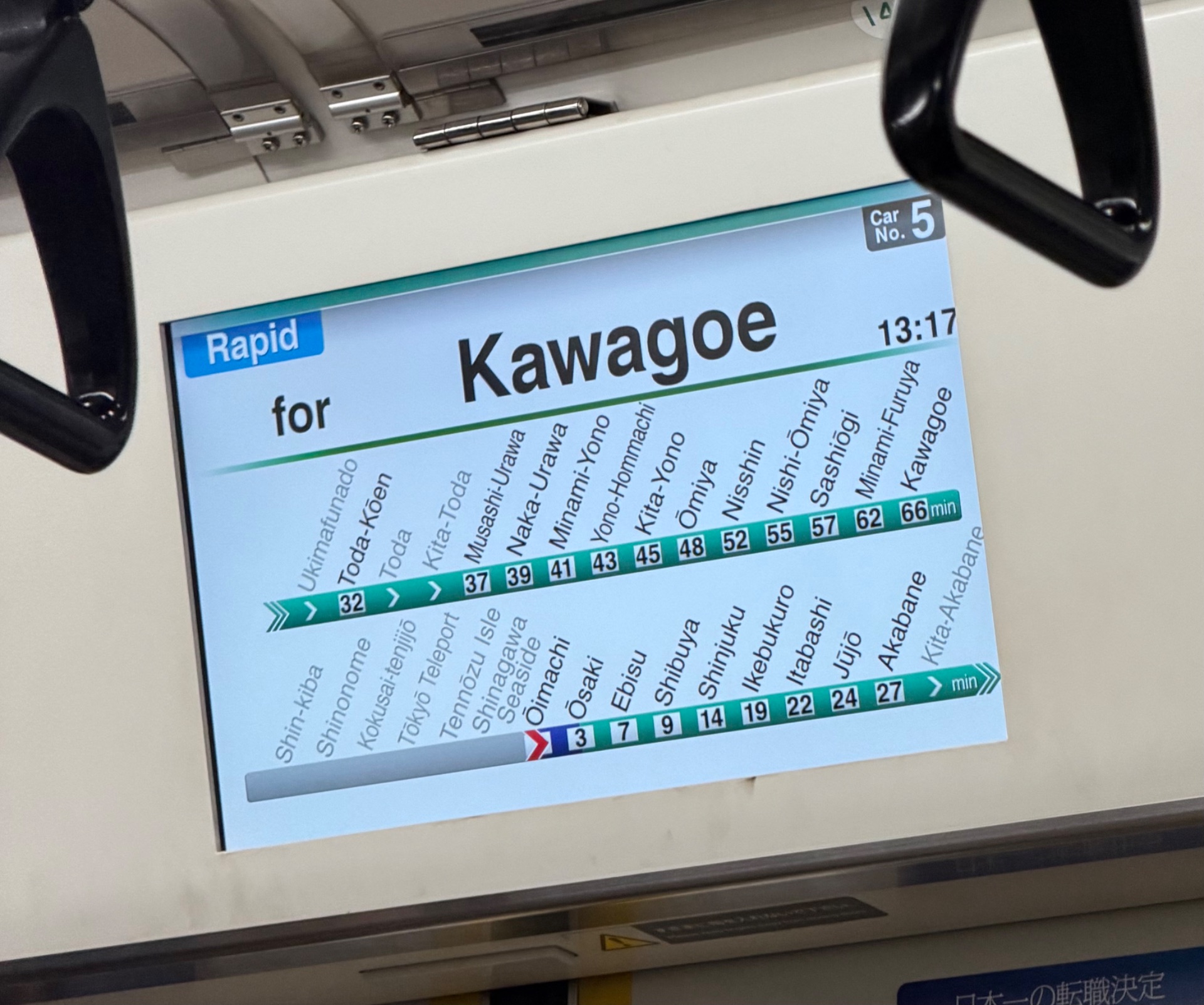
Before your Japan trip, get your phone prepped for success: Make sure that you have 1)Google Maps downloaded, 2)a translation app ready (on iPhones it is free to download, then download the Japanese language pack), 3)your Suica card set up, and 4)familiarized yourself with an AI app such as Chat GPT (While Google Maps can tell you how to get to there, AI can help you to figure out where you want to go).
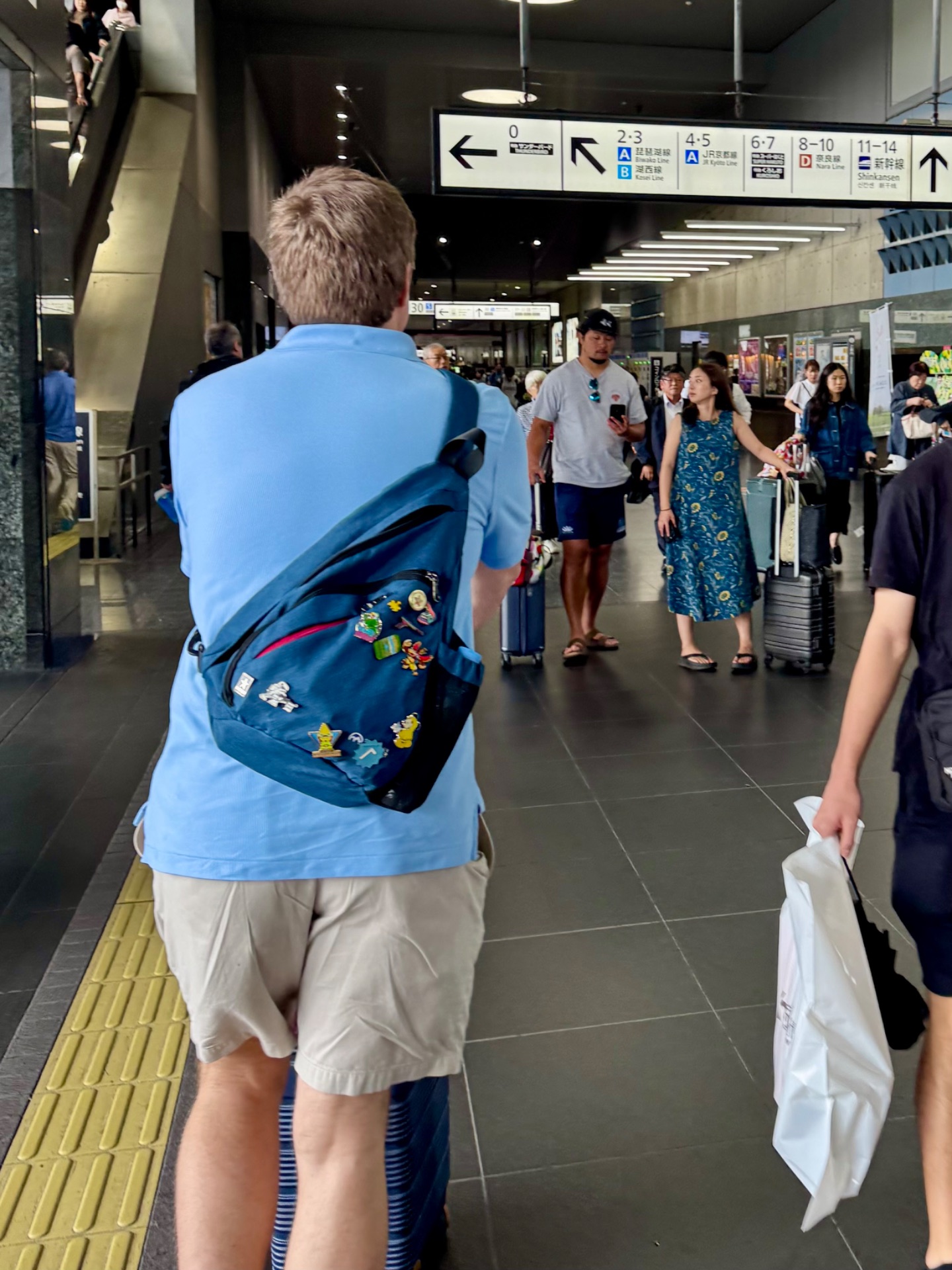
Each day before you set out: Be sure to have 1)your phone charged, 2)your portable battery handy, 3)screenshots of important reservations, 5)hotel addresses saved, and 6)your day’s plan roughly mapped out.
We followed these tips and had great success with public transportation while in Japan. Riding the various trains and busses was actually really fun for us. And, if it was appropriate, we would find a meal or a tasty treat for us to enjoy while on the train. We have a lot of good memories from our time in Japan thanks in part to the country’s excellent public transportation.
If you are interested in traveling to Japan, contact me today and I can see about getting you booked on your own once-in-a-lifetime trip to the Land of the Rising Sun.