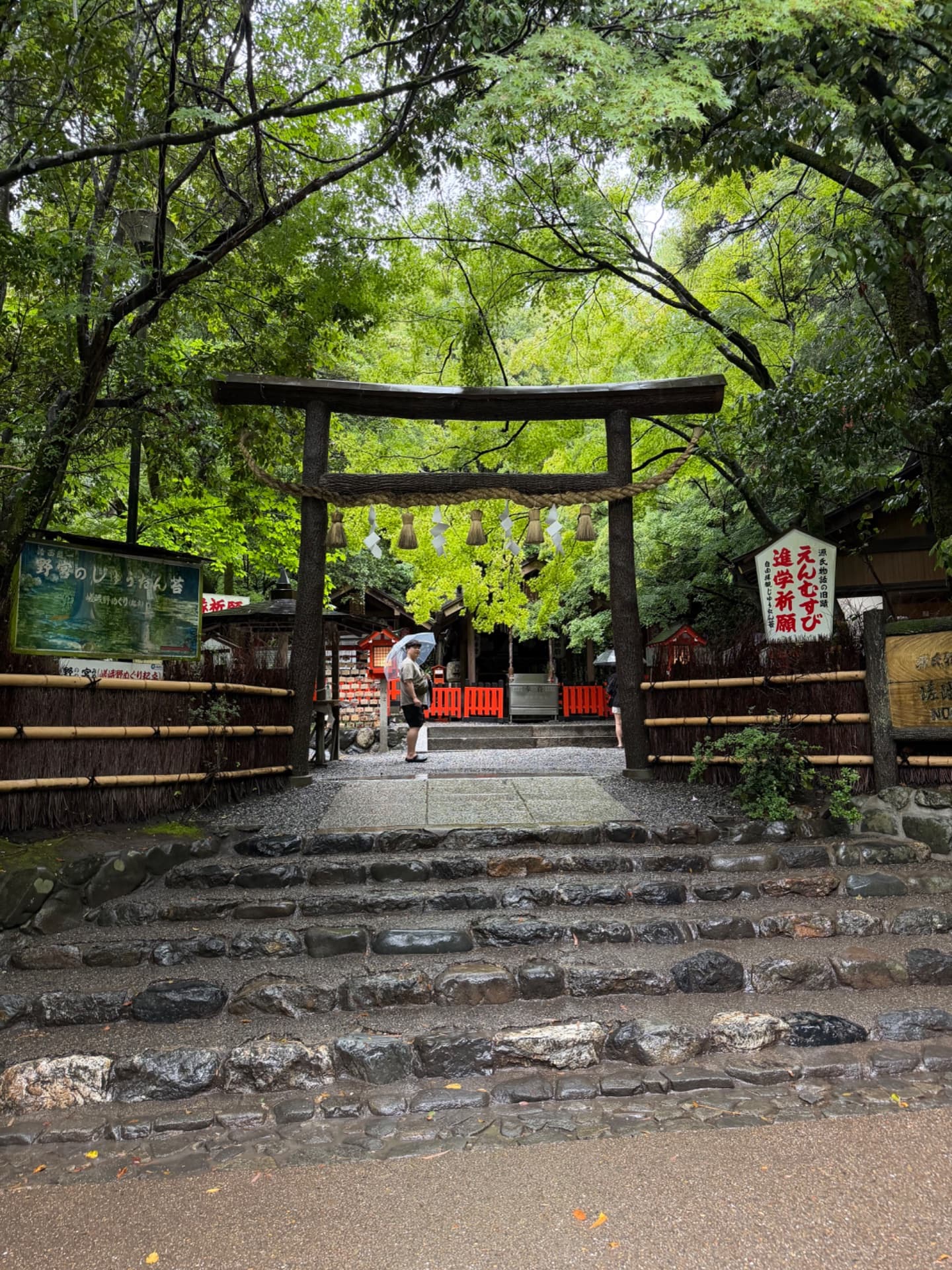
Back in February of 2025, I started looking for that perfect vacation for us to celebrate our 20th wedding anniversary, which was May of 2026. I wanted it to be fabulous and different from anything that we had ever done. While we have always wanted to do a Transatlantic cruise, a Mediterranean cruise or also a river cruise, for a handful of reasons, those options weren’t ideal due to timing and other factors. Also, my husband studied Japanese in college and had a minor in Asian studies but missed the opportunity to study abroad in Japan, something that he had regretted.
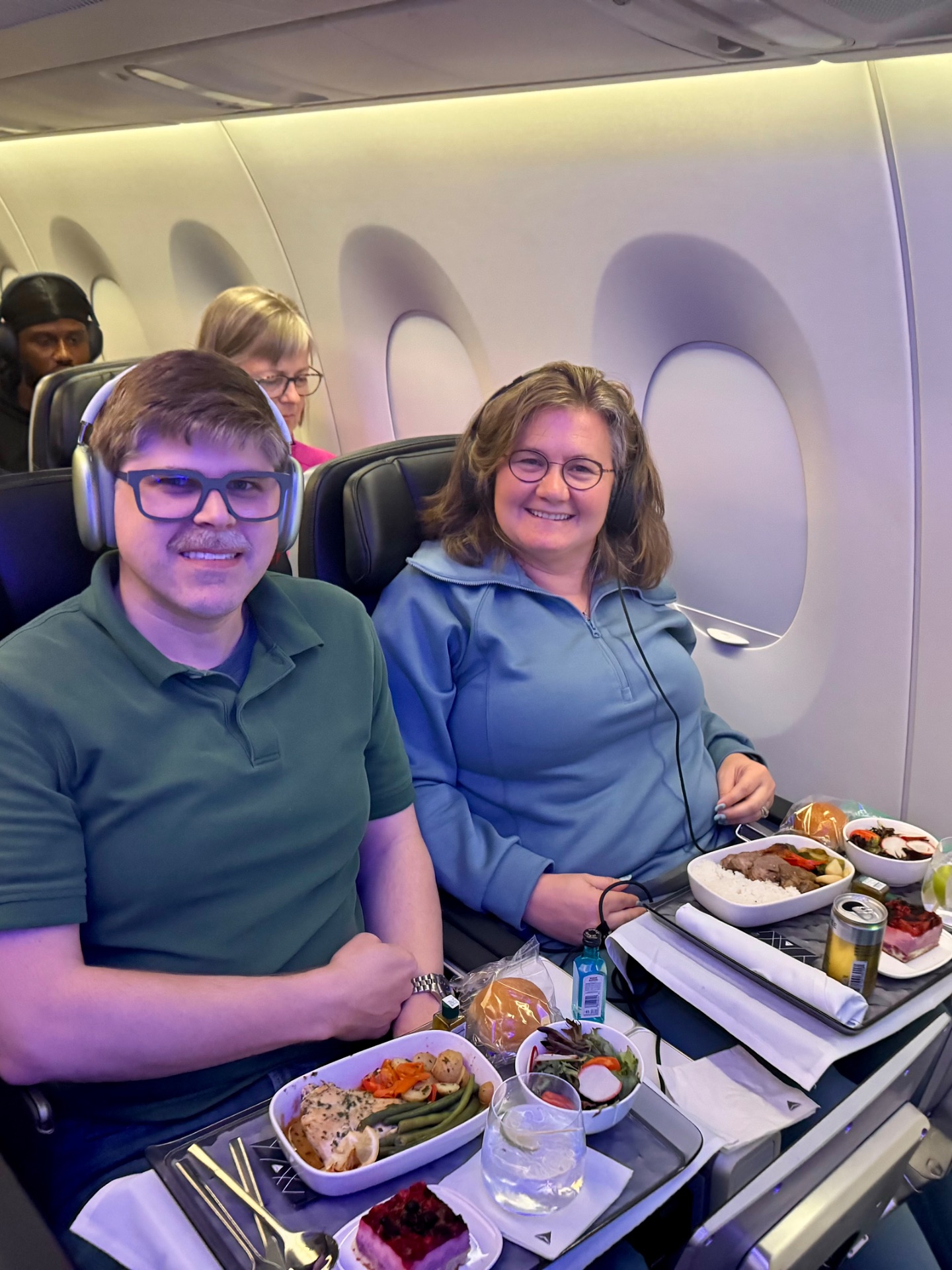
When I found this cruise, I knew that it would be the perfect opportunity for us to celebrate our anniversary and for Chris to finally see an area of the world that he has always dreamed of seeing.
We have returned from our trip and now I am ready to share all of the things that we have learned from our vacation. A lot of prep went into our vacation to ensure its success, but we have also learned some major tips to ensure a smooth vacation to South Korea and Japan.
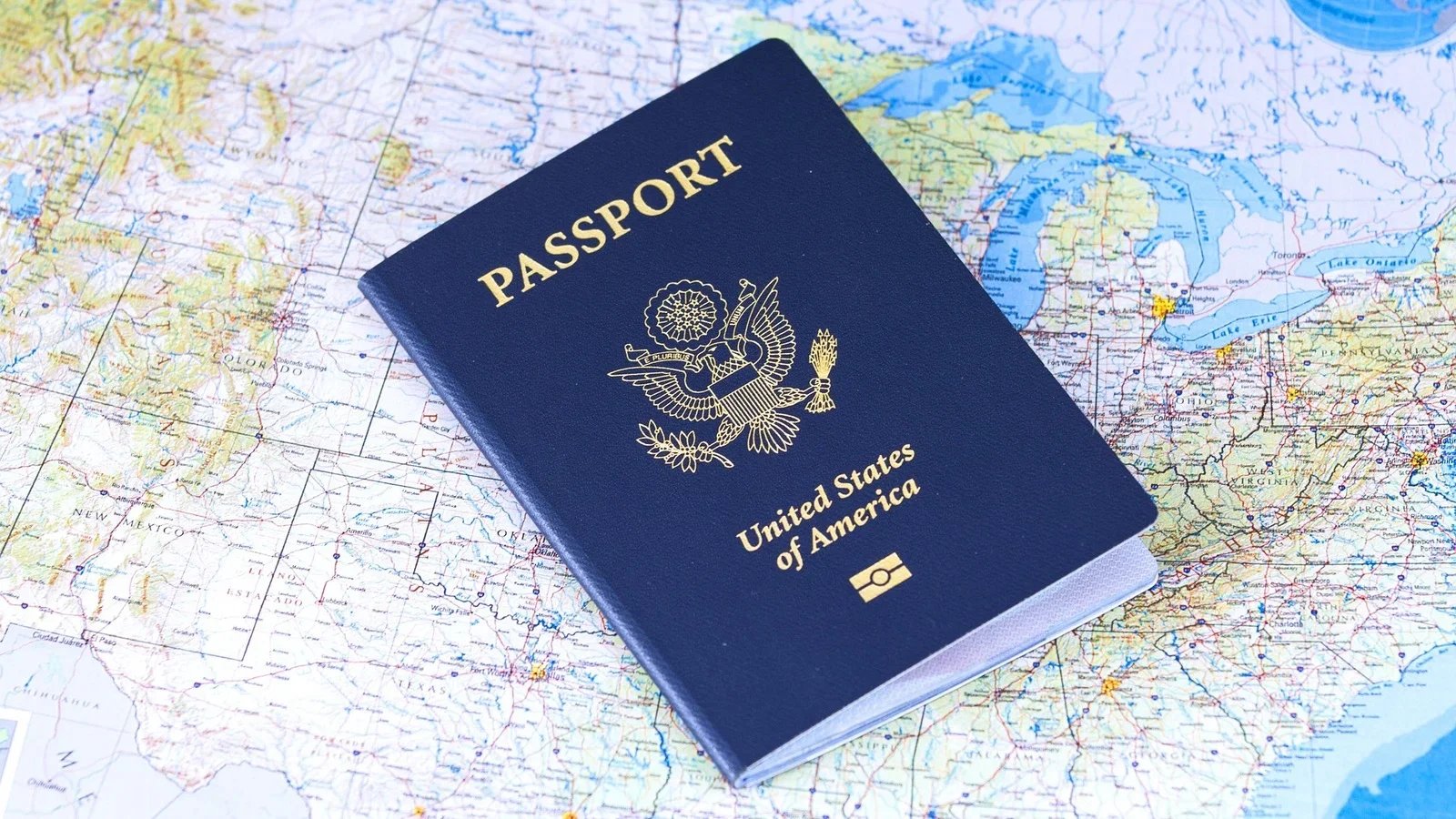
1)Get Passport and Visa Ready- While a passport is not required for every cruise, it is certainly recommended. For any vacation where you are taking a passport, you want to make sure that it will not expire within six months before your vacation. For our vacation to South Korea and Japan, we discovered that we would need our passports a lot more than with the cruises that we are accustomed to. You should carry them around like they are your wallet. When purchasing alcohol, you might be asked to show your passport, but, more importantly, many establishments offer to make your items tax-free if you have your passport. Hotels will, as well, ask for your passports when checking in. So, it’s important to have them readily available at any moment.
Before our vacation, we were unsure what, if any, visas we would need for our trip. There is a K-ETA (Korean Electronic Travel Authorization) card that you may or may not need depending on when you travel. You can go to this website to see the current requirements: https://travel.state.gov/en/international-travel/travel-advisories/south-korea.html . There are no visas currently required for Japan, but you can also go to this website to see any updated requirements for Japan: https://travel.state.gov/en/international-travel/travel-advisories/south-korea.html . Before applying for any visas, you will need to know your lodging for your first night in that country so be sure to have that ready, as well as your passport.
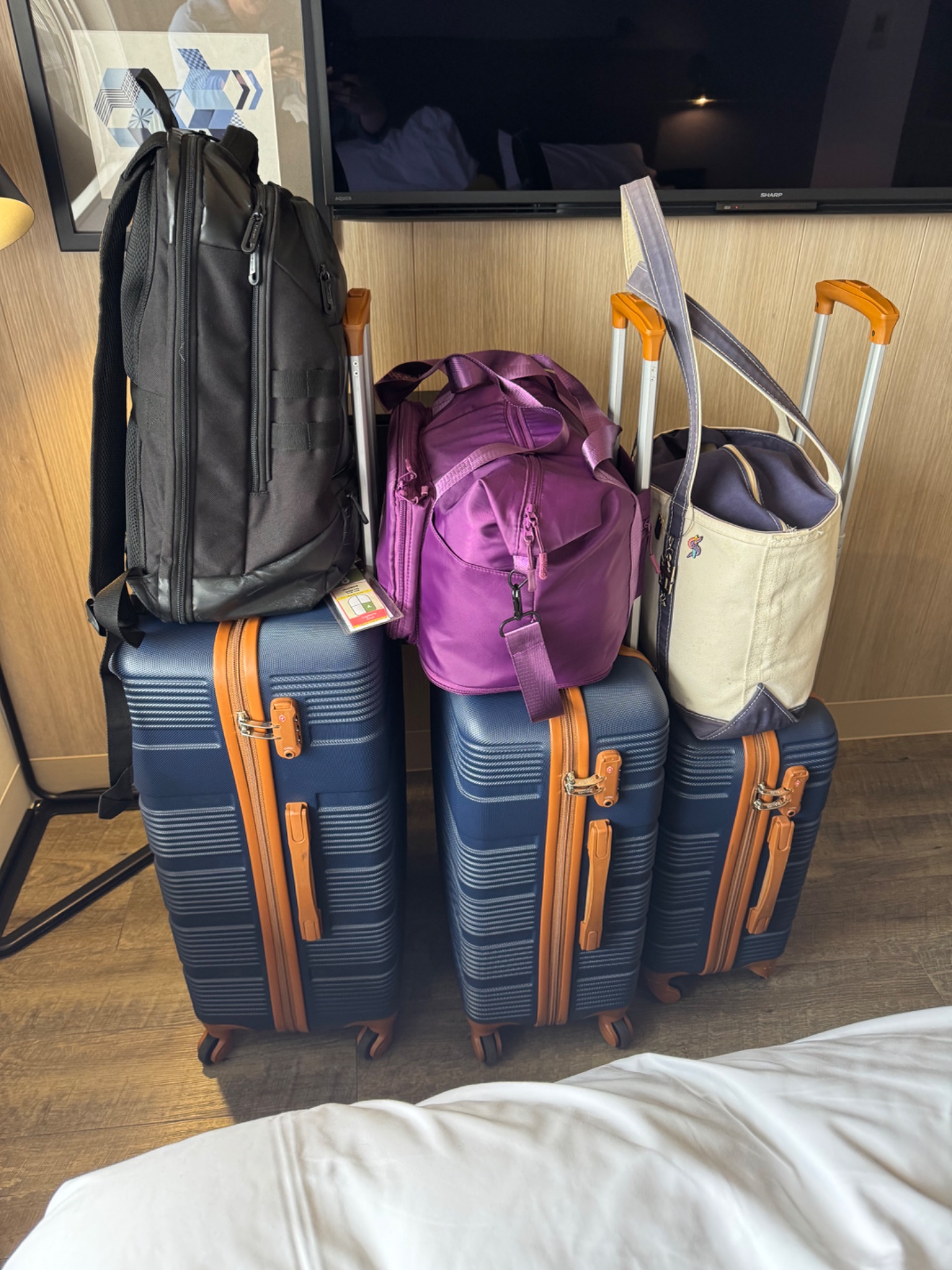
2)Pack Smart- Depending on how many bags you can add to your ticket without a penalty, you should consider that you will likely be brining back a load of souvenirs and gifts. We decided to pack 3 hardside suitcases that can be nested in each other (easy for putting them under the stateroom bed) and we also packed my Foldie, an empty duffle bag with a trolley sleeve that easily slides onto luggage handles. This bag turned out to be a lifesaver for us for a variety of reasons and we are so glad that we had it.
Don’t feel like you need to pack for the entire time that you are there. Many of the hotels we found had coin operated laundry machines. We also utilized the laundry service on the cruise ship, which helped us to minimize the need for more than a week’s worth of clothes. In hindsight, I didn’t anticipate so many days off of the ship (we had a change in our itinerary), so I wish I had packed fewer dresses for nights on the ship and more outfits to wear while being out and about in Japan.
There were two items that were used for every single excursion or day during our land tour. We each had a daypack and a pair of comfortable walking shoes. Our daypacks were the perfect size and easily could be shifted to be in front of us for when moving in and out of seats on public transportation. I wisely found a great pair of slip-offs from Skechers that made removing my shoes a breeze.
You don’t need to worry about packing rain gear or sun screen. South Korea and Japan are known for their beauty care and have wonderful and reasonably priced items readily available. We had rain jackets but everyone just carried umbrellas with them. You can purchase a clear umbrella from the 7-Eleven for $3 USD, which we did twice. When in Rome (or Japan, in this case) do as the Romans do and get yourself an umbrella from the 7-Eleven when also buying that delicious sandwich or local beer.
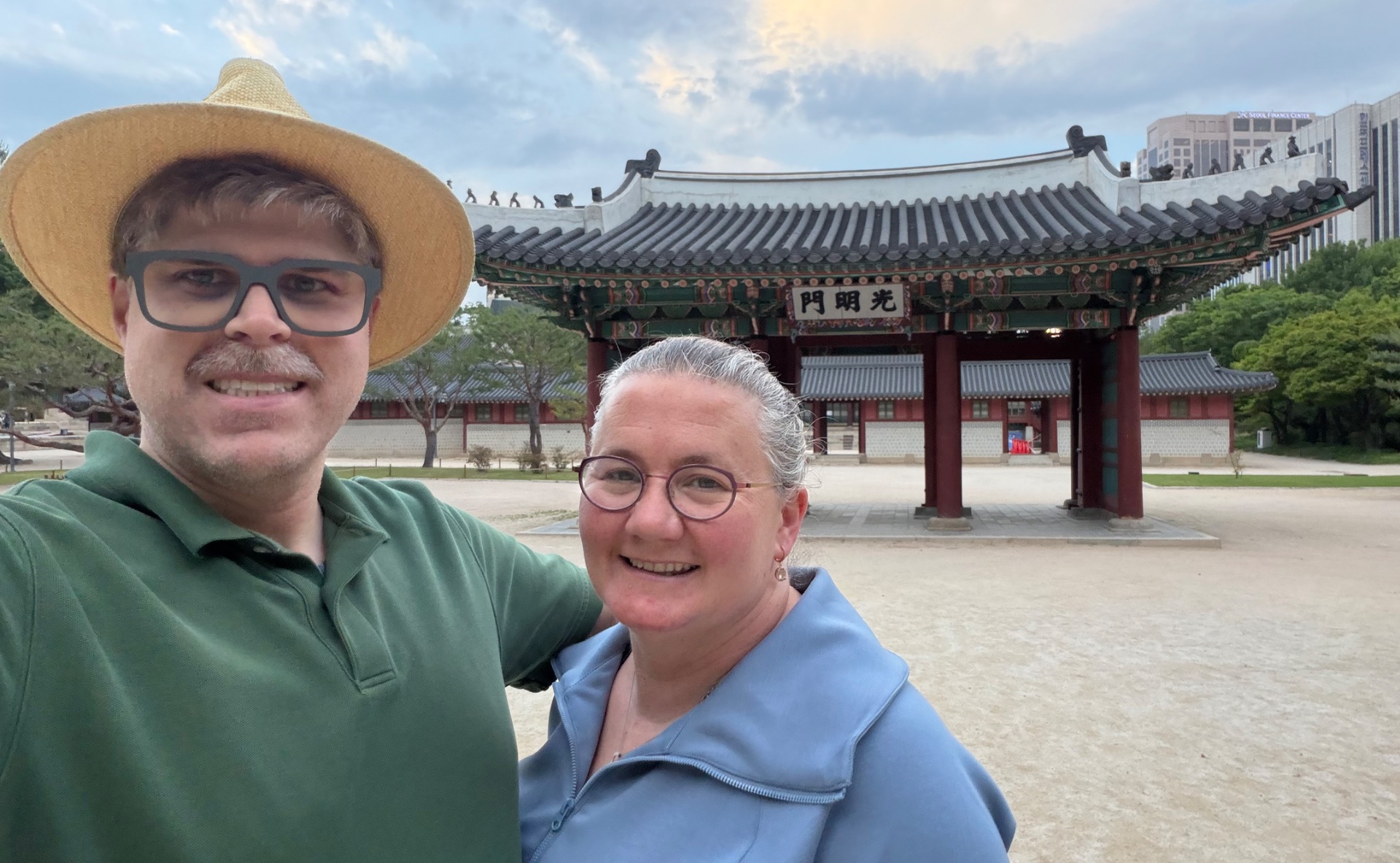
3)Jet lag is Real!- No one can really understand jet lag until they experience it first hand. Korea and Japan were 13 hours ahead of us in Georgia. Even though we arrived in South Korea a day early, it took us 2-3 days before we started to feel normal again. I definitely recommend arriving 1-2 days before your cruise or tour begins. Not only can you experience flight delays (we were luck this time- but our friends who had left for Europe a week earlier weren’t so lucky), but you will need time to recover. Another cruiser said that they used FlyKitt and that it worked well for them. FkyKitt can be rather expensive (about $100) but can be customized for your travel plans so that you know exactly what to take and when. It might be worth checking out for our next trip.
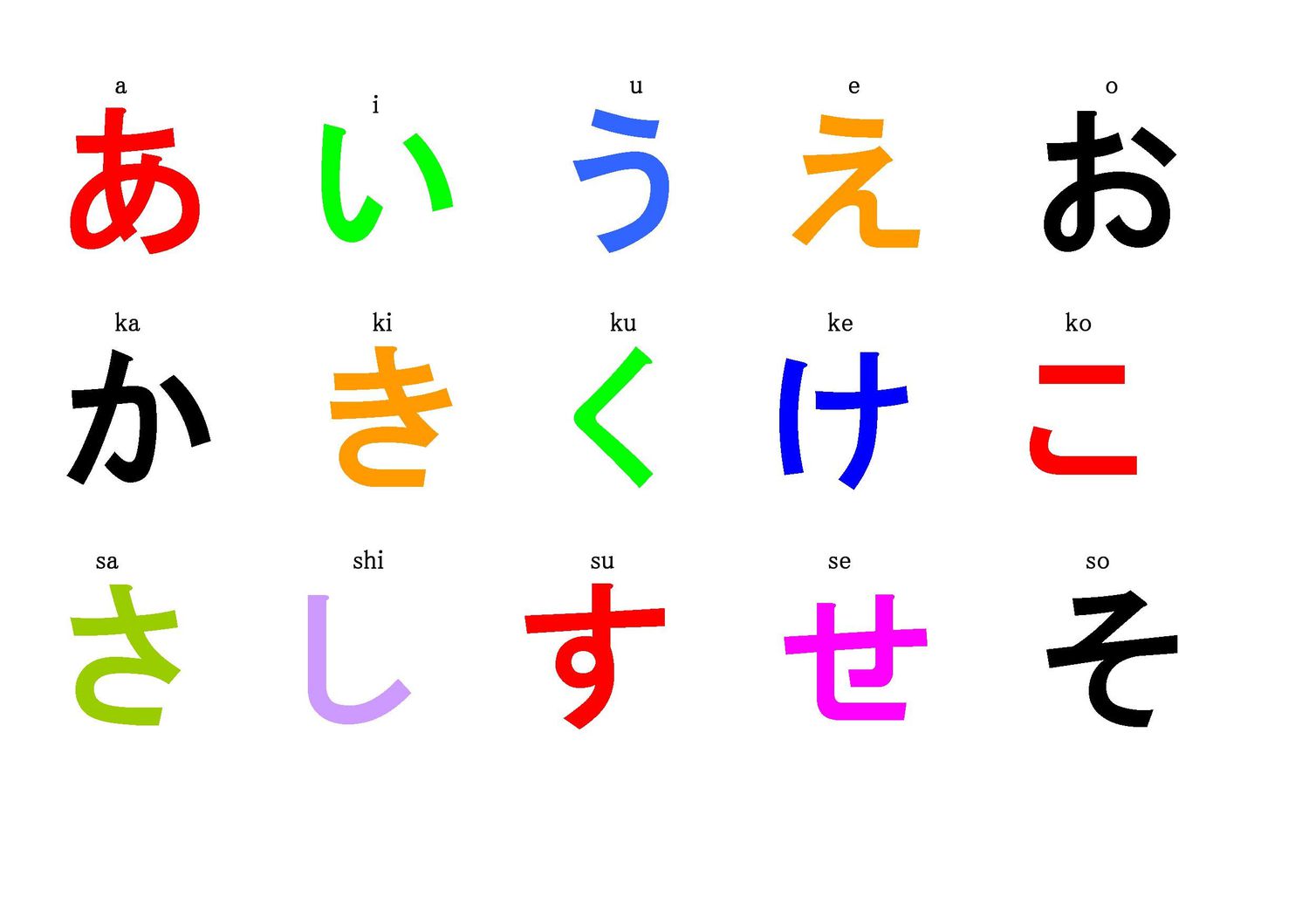
4)Learn the Basics- Wherever you go, especially when there is a language barrier, you will find that a little bit of knowledge of the culture and language goes a long way. It is important to learn a few simple, crucial phrases. We used Konnichiwa (Hello), Arigatou gozaimasu (Thank You) and Summimasen (Excuse Me) daily throughout Japan. We also were aware that we would need to take off shoes at many establishments (thus the need for slip-offs), slight bowing shows respect and thanks, public spaces are very quiet in Japan, and tipping is not only not required but discouraged. Doing some simple research can help get you ready for whatever adventure you are taking into a new culture.
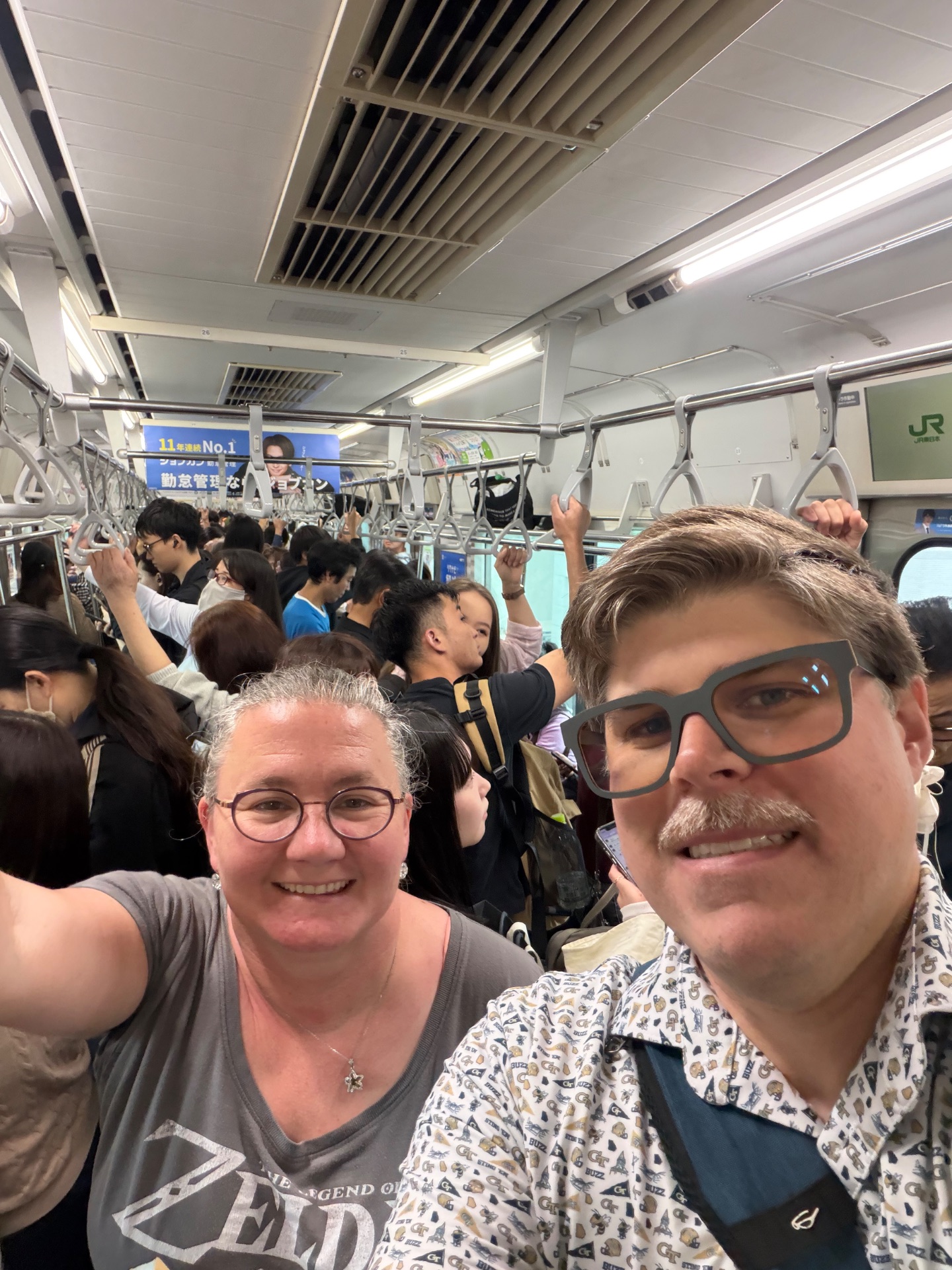
5)Get Your Phone Ready- First, we needed to make sure that we would have data on at least one of our phones. After doing some research on e-sims for the area, we pre-purchased 35 Gigs of data with MobiMatter. Chris purchased it for his phone and if I needed internet, I would use his hotspot. While the service wasn’t always the fastest, we had plenty of data for our trip (we also had purchased the internet for the ship so we used that when we were on board). We used Apple Maps and Google Maps a lot to help us get from one location to the next. These apps could tell us not only how to get there but which platforms to be on for the train that we wanted and how much the trip would be. Speaking of trains, we used our Suica cards a lot. We added the Suica card to our phone’s wallet and once we connected it to a credit card we were able to add funds easily. With funds added, we could simply tap our phones when entering the subway, or a bus and then we would could use our phones to exit and pay. We also used the Google Translate app constantly as it makes it easy to translate signs and products by using the camera function. Finally, we used the calculator on our phones to figure the conversions between Yen and USD. It was always easier and smarter to just purchase items with your credit card in yen, so knowing the conversions rate was helpful. Side note: because we were using and relying on our phones so much, it was helpful to have a compact power bank, like the AnkerGo, to keep them charged.
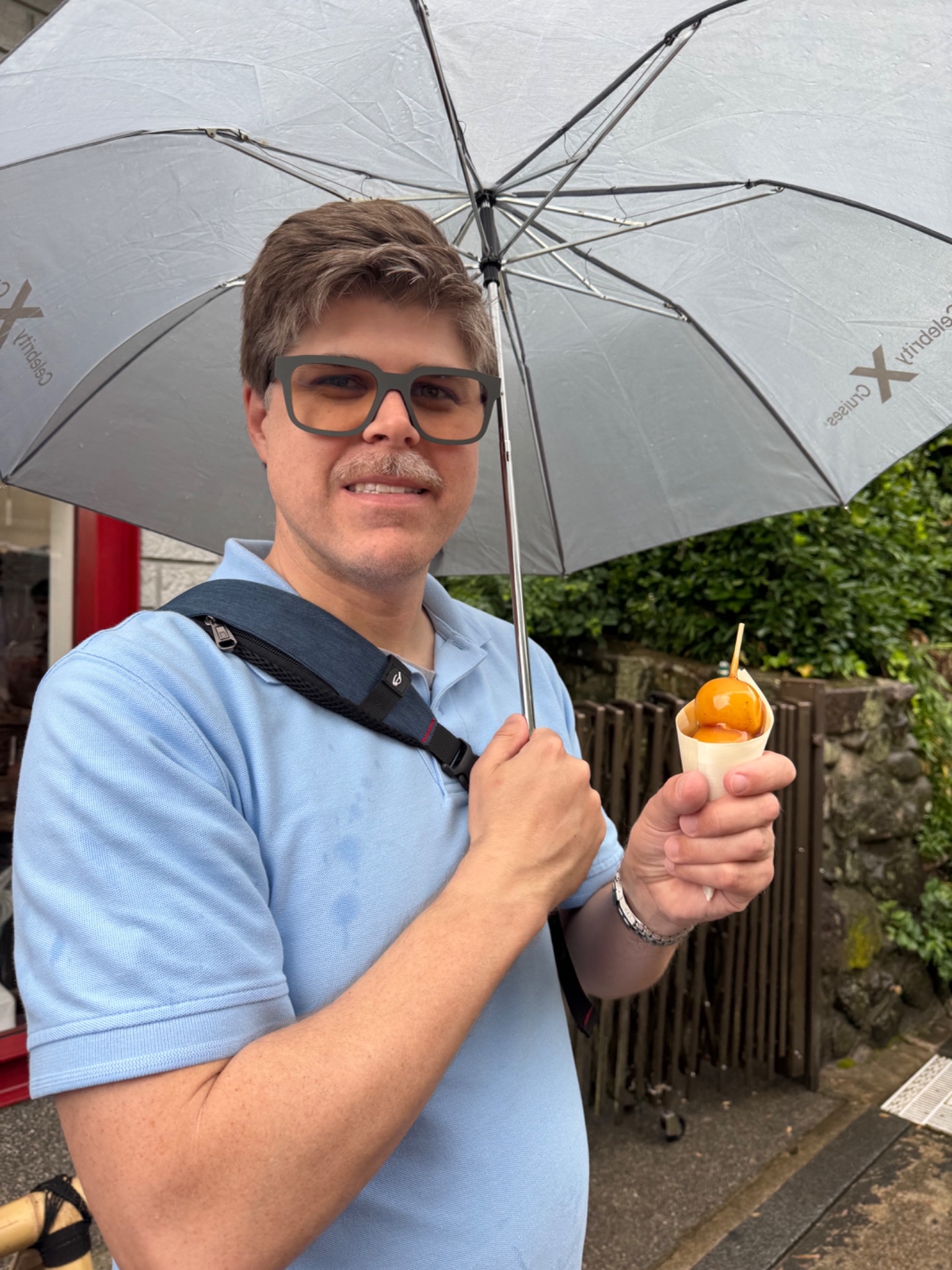
6)Cash is Still King- While your credit card can be used in many places, there are still many locations that prefer or require cash. We found that our favorite stores where you could not only get a tasty sandwich, a local beer and a useful umbrella also often had ATMs where you could take out some cash. On our first day in Japan, we picked up enough to last us for most of the trip. We needed the cash at the vending machines (which are really cool), at the arcades (which are super fun and amazing) and at the food stands (which were extremely tasty).
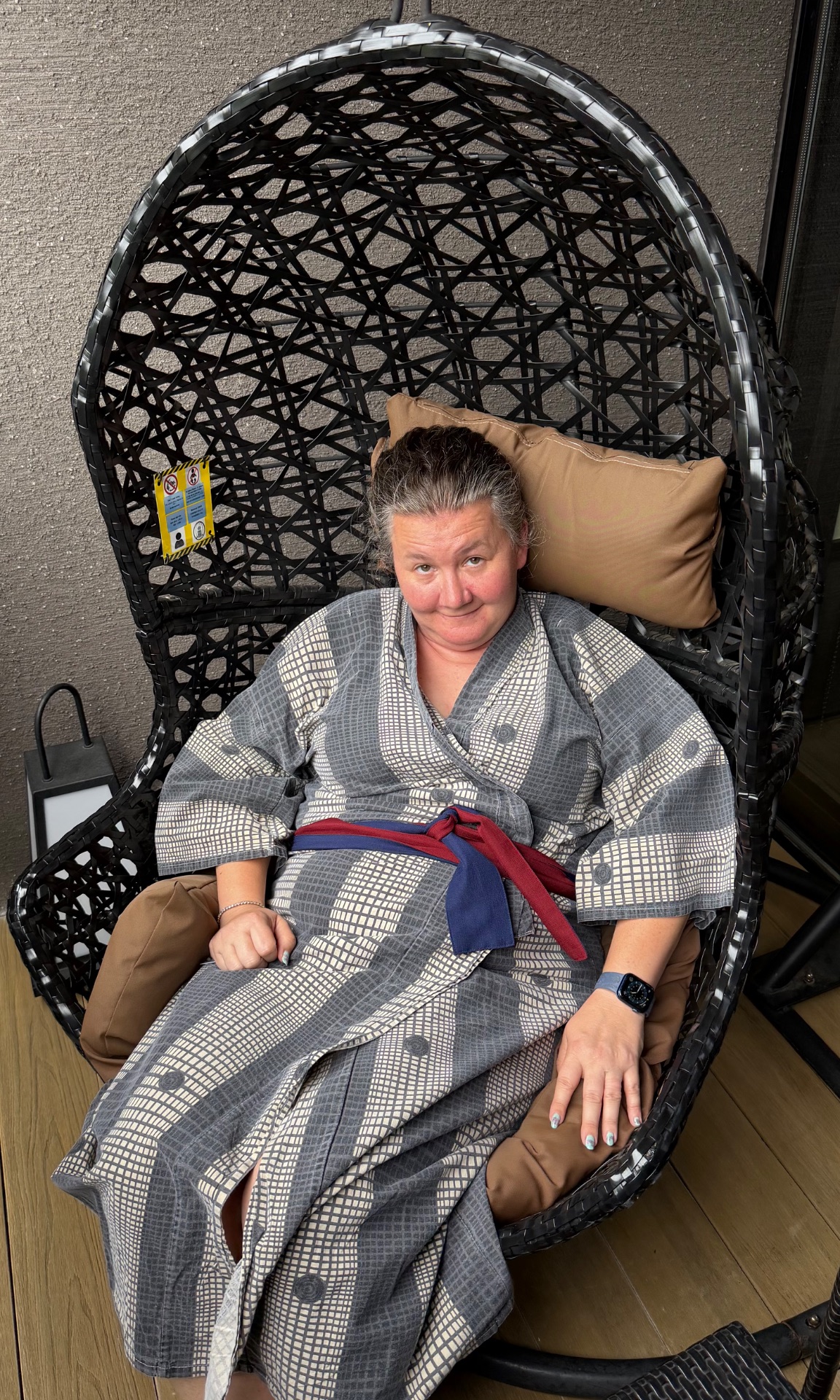
7)Let AI be your Travel Companion- Typically, I like to use yelp to help me find fun and highly rated restaurants when traveling, but yelp is not always available or reliable everywhere. Between ChatGPT and Claude, we found some great recommendations for places to go, restaurants to eat at and even some great places to stay. Due to a change in our cruise’s itinerary, we unexpectedtly found ourselves out on our own in Japan, but with AI’s help we found some great places to go and some great restaurants to check out. In Kyoto, we needed a place to eat dinner and one of the closest places for sushi recommended by ChatGPT turned out to be this amazing conveyor belt sushi place. For our night near Mt. Fuji, ChatGPT helped us find an Onsen (Japanese Hot Springs Bath) Hotel to stay at, which turned out to be a very memorable experience.

8)Be Open to New Experiences- No matter where you travel to, you will find people, places, food, and practices different from your own. If you are open to trying them all, being respectful of them all and learning from them all, then you will walk away from your vacation with a new and greater understanding of the world. And, that’s what traveling is all about, right?
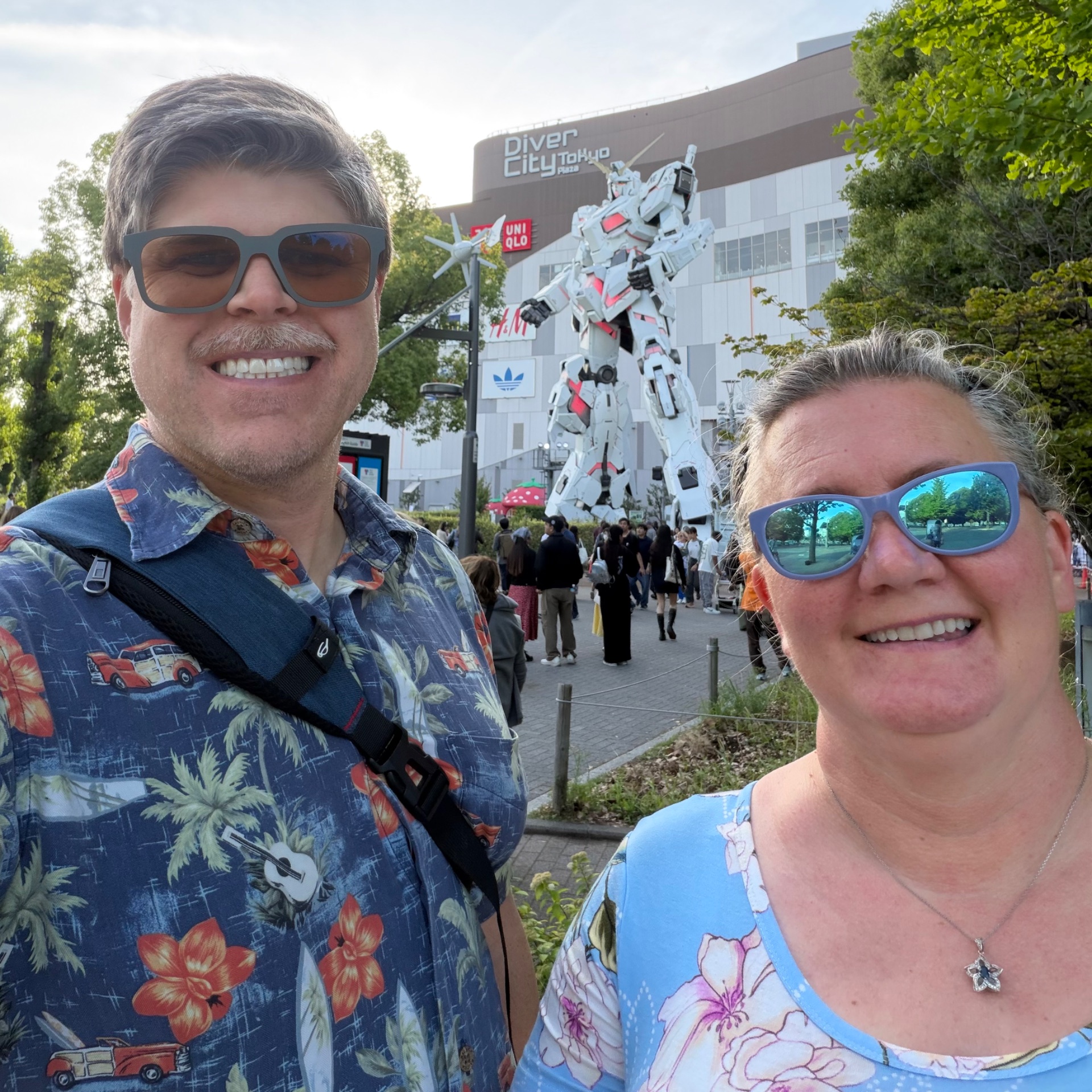
My hope is that these tips will help to prepare you for when you decide to widen your horizons and make a trip to Japan. Whether you cruise through the area like we did or plan your own trip . . . like we did, I would love to help ensure that your trip there is as memorable as ours was. So, let me know if you would like help booking a trip to East Asia.